


Chinese seek EU sites
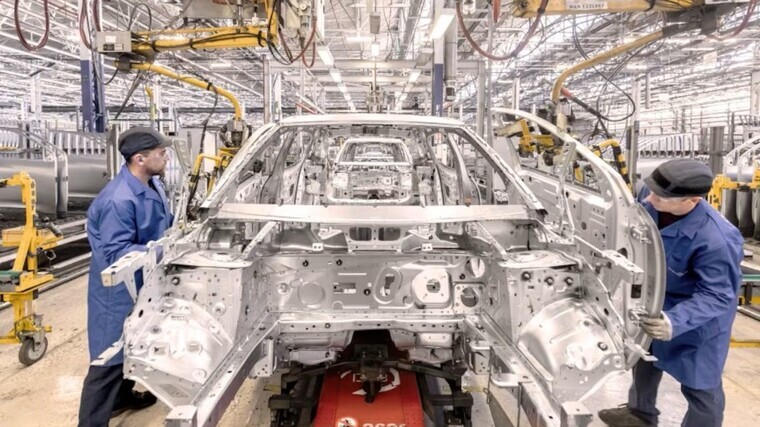
Chinese carmakers are trying to secure factory space across the European Union before rules go into effect that could make it far harder for them to invest there.
A sudden wave of deals is partly connected to the proposed Industrial Accelerator Act, an EU measure that aims to preserve the trading bloc’s industrial base by imposing conditions on direct foreign investment and “made in Europe” rules.
Chinese marques would also benefit by avoiding EU tariffs on imports that start at 10 per cent and go up to 45 per cent for EVs for certain brands.
Recent announcements include Chery and Nissan exploring the possibility of the former building cars at the latter’s factory in Sunderland, England, and SAIC planning to construct a facility in Galicia, Spain, which is slated to start production in two years’ time.
As for Stellantis’ plants, its factory in Madrid could be used to build at least one Leapmotor model and Dongfeng will start making models in Rennes, France, pictured above, from 2028.
Under the proposed act, foreign investments exceeding around NZ$200m from countries holding more than 40 per cent of global manufacturing capacity in key sectors will require regulatory approval.
Sectors relevant to the car industry are EVs and battery supply chain. Although the proposal doesn’t name countries, it would clearly affect Chinese EV and battery production. To win approval, an investment would need to meet most of these conditions:
• Joint ventures with no more than 49 per cent foreign ownership.
• Intellectual property licensed to the EU entity.
• At least 50 per cent EU employees, which is non-negotiable, and local sourcing of manufacturing inputs.
Chinese carmakers have gone from a 0.5 per cent collective market share of the European market in 2021 to nearly 10 per cent in the spring of 2026.
Nearly all their sales have come from exports, which are subject to EV tariffs ranging. Producing cars in Europe would lift the tariff burden, although it could increase labour and component costs.
BYD is the first Chinese marque to open a large-scale factory in Europe. Its recently opened plant in Szeged, Hungary, has a potential capacity of 300,000 unit a year and is set to begin mass production in 2026’s fourth quarter – a year later than planned.
The company, however, has halted plans for a second regional factory, in Turkey. It is now seeking out space in factories in southern Europe with Spain the leading contender.
For their part, European carmakers are seeking to boost utilisation rates and save jobs, which are major aims of the Industrial Accelerator Act.
Recent closures include Nissan site in Barcelona, Spain, Audi’s Belgian Brussels factory and Ford’s Saarlouis facility in Germany. Stellantis’ facility in Poissy, France, will stop making cars after 2028 to shift to recycling following a similar move by Renault in 2024 at its Flins site in France.