


Tax reforms set to boost EVs
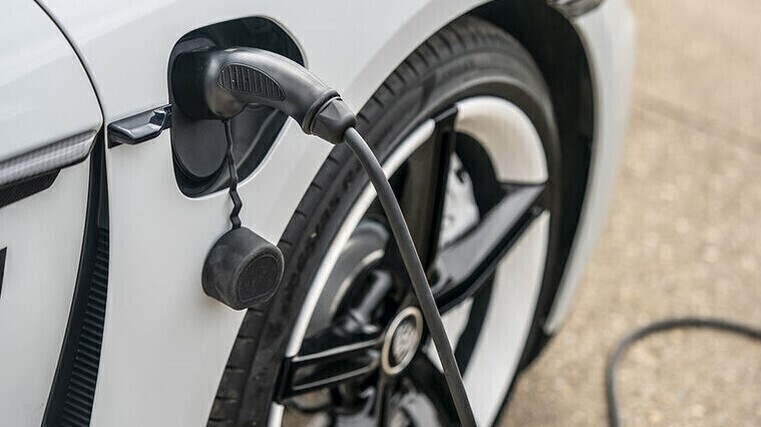
An industry group has welcomed a new government bill that proposes giving EVs a lower fringe benefit tax (FBT) rate than petrol and diesel vehicles.
Drive Electric says the Taxation (Annual Rates for 2026–27, FBT Simplification, Foreign Investment Funds, and Remedial Measures) Bill could influence fleet purchasing decisions and support the transition to cleaner vehicles.
Corporate and fleet buyers purchase about 60 to 70 per cent of all new vehicles sold in New Zealand each year, and those units typically enter the second-hand market within three to five years.
As a result, Drive Electric says making low and zero-emissions vehicles cheaper to run as company vehicles will lead to a larger, more affordable supply of used EVs for everyday New Zealanders.
It has produced calculations showing a $60,000 EV made available to an employee for full private use, at the top FBT rate, could attract savings of $1,385 a year under the bill.
Kirsten Corson, chair, adds: “It is great to see the government implementing a demand-side policy.
“For the first time, our tax settings recognise that EVs are cheaper to run, and that will flow straight into fleet purchasing decisions.
“Every EV a business chooses today becomes an affordable second-hand EV on a Kiwi driveway in a few years’ time, lowering their fuel bill. We congratulate the government on getting this right.”
Drive Electric is also backing the bill’s plan to increase the weight threshold for FBT motor vehicle rules from 3,500kg to 6,000kg, which Inland Revenue says reflects that EVs are often heavier. This will make more electric utes and vans eligible for FBT.
The taxation bill was introduced to parliament on September 10 and will go through the select committee process, with the changes proposed to take effect from April 1, 2027.
It includes plans to create a new method for calculating FBT based on categories of how a vehicle is used and how much employees can use it privately, with people no longer needing to fill out detailed logbooks.
Simon Watts, Minister of Revenue, says the bill will help grow the economy by reducing compliance costs, simplifying rules and removing unnecessary obligations.
“For fringe benefit tax, we’re proposing a much simpler ‘close enough is good enough’ approach to employer-provided vehicles,” he adds.
“Rather than requiring detailed records and logbooks, employers would simply choose the category that best reflects how much a vehicle is used privately – substantially lowering compliance costs and unnecessary stress.”
The bill also makes several changes to the Foreign Investment Fund rules to help attract and retain skilled workers and investment.