

Robotaxi testing in Tokyo
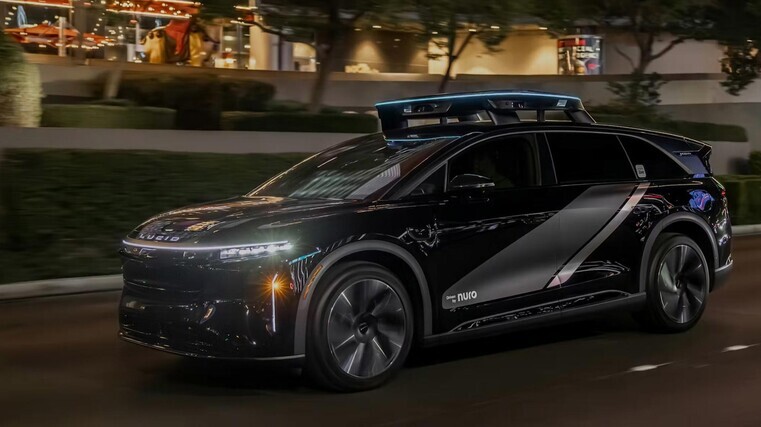
Nuro, the self-driving start-up backed by the likes of Toyota, Nvidia and Uber, has started testing its autonomous vehicles (AVs) on Tokyo’s streets.
The American company, which plans to launch a robotaxi service with Uber and Lucid in San Francisco later this year, is testing a handful of cars in the city. Human safety drivers will be at the wheel, which is required by Japanese law.
Tokyo presents a challenge for AVs given its narrow, crowded roads and driving on the left-hand side of them.
Chief executive Andrew Chapin says: “Testing the capability of the autonomy system in such an interesting market with international complexity is a good pressure test of what it is capable of.”
The company’s ultimate goal is to achieve level-four autonomy, which allows full self-driving under limited conditions.
Waymo is the other major robotaxi operator testing AVs in Japan’s capital. It’s working with taxi operator Nihon Kotsu and Go, the country’s leading taxi app. It has been operating since April 2025, also in collaboration with Toyota.
Nuro has yet to announce which operators or car manufacturers it will be partnering with, but Chapin says it may not limit itself to autonomous rides.
“A universal autonomy platform that can be extended to a lot of different applications and form factors is a bit different than the approach Waymo is taking.” His company previously linked up with 7-Eleven on driverless deliveries in Mountain View, California.
Uber plans to have up to 100,000 AVs, including 20,000 robotaxis powered by Lucid and Nuro, with a rollout starting in 2027. Uber is also collaborating with Nissan and Wayve with the aim of introducing pilot cars in Tokyo by late 2026.