

Huge blow to used EV importers
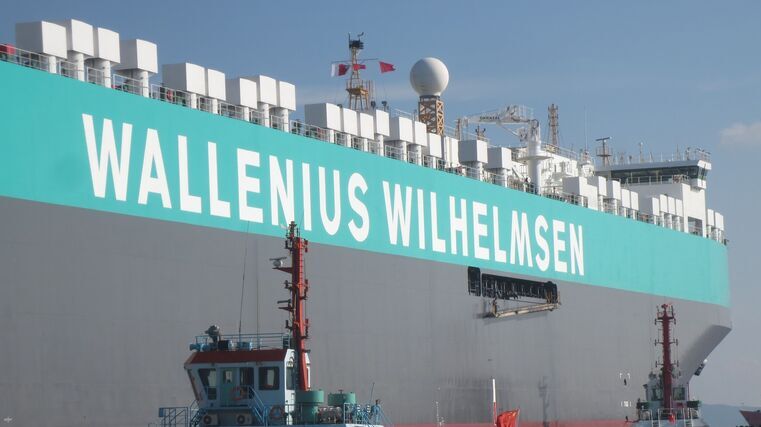
The Imported Motor Vehicle Industry Association (VIA) says the suspension of Wallenius Wilhelmsen’s shipping service from Japan to Oceania next year highlights a growing obstacle to New Zealand’s transition to lower-emissions transport.
Greig Epps, VIA’s chief executive, says the decision is particularly concerning when it comes to used battery electric vehicles (BEVs) because the service has provided an important option for importers of electric models other than Nissan’s Leaf.
“New Zealand relies on international markets to renew its fleet,” he says. “We cannot manufacture our own vehicles and we depend on shipping companies to bring affordable, lower-emissions technology to consumers.
“When a major shipping service withdraws, it affects the whole vehicle-supply chain. But for used BEVs, where shipping options are already severely limited, the consequences are particularly significant.”
Other shipping services remain available for most conventional and hybrid models, while some operators continue to accept used Leafs. However, importers of other used electric models face more limited options, potentially requiring container shipping at considerably greater cost.
Epps adds: “This isn’t about whether New Zealanders want EVs. It is about whether importers can get those vehicles into the country at a price consumers can afford.
“Japan is an important source of well-maintained, lower-emissions used vehicles. As electric cars become more common in the Japanese fleet, New Zealand should be able to benefit from that growing supply. Instead, we risk having an increasingly narrow range of vehicles that can practically be brought here.”
VIA recognises the legitimate safety and commercial considerations facing shipping companies, including specific requirements associated with transporting lithium-ion batteries.
“Safety must come first, but we should be looking for practical, evidence-based solutions that allow suitable used EVs to be transported safely. That means working with shipping companies, maritime insurers, vehicle exporters and regulators to develop appropriate inspection, battery-condition assessment and shipping procedures.”
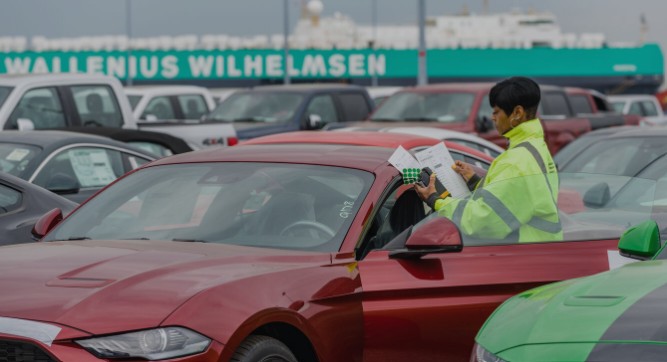
Epps says the issue also has implications for the clean vehicle standard, which places emissions obligations on importers. “The government has recognised the used-vehicle sector needs its own emissions targets, reflecting the vehicles available in international markets. That’s a welcome development.
“But targets must also reflect whether those vehicles can actually reach New Zealand. Setting increasingly demanding emissions requirements without addressing supply-chain constraints risks increasing costs for importers and consumers rather than delivering the intended environmental benefits.”
VIA is calling for engagement between the industry and government to identify practical solutions that maintain safe and commercially viable shipping pathways for used EVs.
“The fleet’s transition will depend on affordability, consumer choice and access to international vehicle markets. Shipping is an essential part of that equation. We want more New Zealanders to have access to affordable EVs. Losing a viable shipping pathway takes us in the wrong direction.”
Company sends out update
NCC Car Carriers has issued a service update on the decision by Wallenius Wilhelmsen (WWL) to suspend its Japan to Oceania ro-ro service next year and what it means for vehicle shipments.
It states: “We want to let you know about an important change from one of our shipping lines. WWL has advised that it will suspend its Japan to Oceania ro-ro service for the whole of 2027. This covers sailings from Japan to New Zealand, Australia, Fiji and New Caledonia.
“WWL says this is due to ongoing capacity pressure across the global ro-ro market. It has given early notice so everyone has time to plan ahead.”
NCC adds the “good news” is this has no impact on most vehicles. Petrol and diesel models with internal combustion engines and Nissan Leafs “will keep being shipped as normal with our other ro-ro carriers. You don’t need to do anything differently”.
However, the company says it’s “not good news” when it comes to other models of used EVs. “WWL has been the only ro-ro option for BEVs other than Leafs. With this service paused, ro-ro shipping for these models will not be available in 2027.
“Containerisation is currently the only option for non-Leaf BEVs. Additional charges apply. If you have BEVs on order or are planning purchases for 2027, please get in touch and we will walk you through the details and costs. We’ll work with our partner carriers and will let you know straight away if new options become available.”