


EV sales surge in Europe
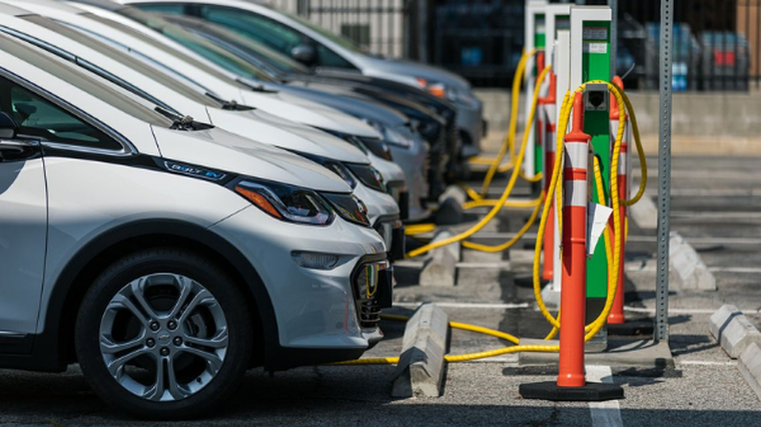
The conflict in the Middle East is impacting on the European car sales with demand for new and used EVs jumping as prices at the pump reach levels not seen since 2022.
Fuel prices have increased by 19 per cent across the continent this year up until April because of the war with the cost of charging an EV at home or at a public fast charger remaining relatively flat.
Home charging now costs an average of 53 per cent less – about €6.50 (NZ$13) versus about €13.25 per 100km, according to insurer Allianz. The price for a high-speed charging station is the same as petrol. Until recently it was €2 more expensive.
Fuel prices in Europe are nearing highs last seen after Russia’s invasion of Ukraine four years ago. Each “price shock” pushes more drivers toward EVs and plug-in hybrids, reports the insurer.
Deliveries of fully electric vehicles grew by 15 per cent in January and 19 per cent in February in the 16 largest European markets representing 95 per cent of all sales across the EU, UK and the European Free Trade Association, which includes Iceland, Liechtenstein, Norway and Switzerland.
That figure jumped by 43 per cent in March and 37 per cent in April following the start of hostilities against Iran at the end of February.
Year-on-year sales of EVs in April rose by 59 per cent in the UK, 41 per cent in Germany and 28 per cent in France. EV penetration now stands at 22 per cent across the 16 countries surveyed. Norway leads the way at 97 per cent. Next up is Denmark on 74 per cent.
The price of fuel would be even higher without temporary price controls imposed by many European countries. In others, individual companies are limiting increases.
The European Automobile Manufacturers' Association says while fossil-fuel prices have started to influence the market, it’s too early to say “with a high degree of certainly” if the conflict is the cause of higher sales of new EVs because they also reflect national tax benefits and incentives launched before the war started.